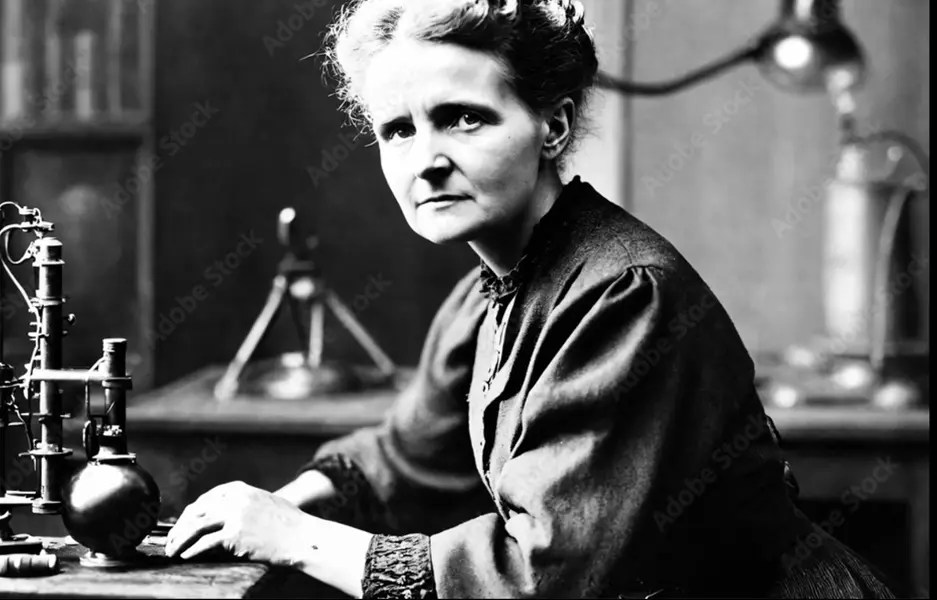
As a Polish girl fascinated by science, I grew up surrounded by stories and inspired by the legacy of the world’s most famous Polish scientist, Maria Skłodowska-Curie, whom I came to deeply admire.
When we talk about Maria Skłodowska-Curie, we often focus on her discoveries – radium, polonium, and her groundbreaking work in Physics and Chemistry. But as the recently published book by Dava Sobel, The Elements of Marie Curie, shows, her true impact goes far beyond discovery.
Curie didn’t just contribute to science—she changed who gets to do science.
A World That Wasn’t Built for Her
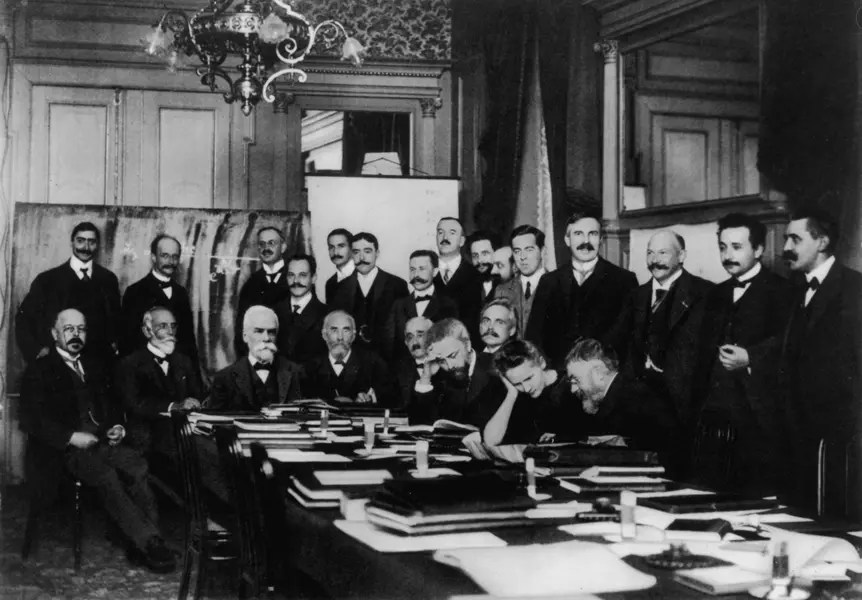
At the turn of the 20th century, science was not a welcoming place for women. Universities restricted access, laboratories excluded them, and authority was overwhelmingly male. Curie entered as both a woman and a foreigner, facing structural barriers at every level.
Yet she persisted, not through protest, but through excellence. Her work forced the scientific world to confront an uncomfortable truth: ability was never the issue; access was.
Redefining Possibility
By becoming the first woman to win a Nobel Prize and the only person to win in two scientific fields, Curie shattered long-standing assumptions. Her success in physics and chemistry proved that intellectual excellence was not defined by gender.
But what matters most is what followed: her achievements didn’t remain personal victories. She reshaped expectations, enabling other women to imagine themselves in science.
Not Just a Pioneer – a Woman who opened the door
In The Elements of Marie Curie, Dava Sobel reveals that Marie Skłodowska Curie did more than conduct groundbreaking research – she built an international community of women scientists at her laboratory. Alongside figures such as Harriet Brooks, Ellen Gleditsch, Hertha Ayrton, Alicja Dorabialska, Margarethe von Wrangell, and Marietta Blau, Curie welcomed many young women from across Europe and beyond into the emerging field of radioactivity. Some, like Marie Mattingly Meloney, supported her work through advocacy and funding rather than laboratory research, showing the breadth of female contributions to science. Others, maybe many of them less well known, trained, experimented, and published at the Curie Institute, forming a generation of “radioactivists” who helped establish radioactivity as a modern scientific discipline. Through this network, Curie not only advanced Physics and Chemistry but also created one of the earliest international spaces where women could build sustained scientific careers, collaborate, and gain recognition – demonstrating that her greatest legacy did not lie just in discovery but in cultivating a pathway for women in science worldwide.
The Power of Collective Influence
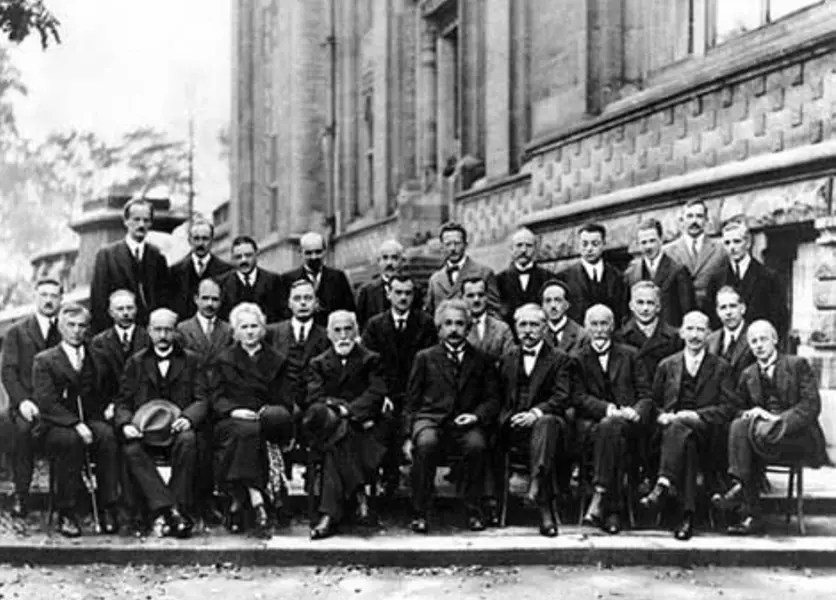
Curie’s legacy is often told as the story of a single extraordinary woman. But The Elements of Marie Curie reframes it: her real achievement was not standing alone – it was ensuring she wouldn’t be the last.
By training, hiring, and mentoring women, she turned individual success into collective progress. Some of these women went on to lead their own research, teach future generations, and expand the field of radioactivity across Europe and beyond.
Her influence multiplied through them.
A Different Kind of Discovery
We often measure scientific greatness through discoveries. By that measure, Curie’s work is already revolutionary.
But her greatest contribution may be something less visible, yet more enduring.
She expanded the boundaries of possibility.
Before Curie, a woman in science was an exception. After Curie, she became part of a growing community.
Marie Curie’s greatest discovery may not have been radium or polonium. It was this change – who gets into the science.
Because of her, science is no longer a space defined exclusively by men, but one shaped by those she made room for – women who entered, contributed, and carried her legacy forward.


Leave a comment